
Step-By-Step Guide to Preparing for Your Homeschool Year
Getting ready for a new homeschool year with middle and high schoolers can feel like juggling excitement, expectations, and a boatload of moving parts. If you already have your curriculum mostly mapped out and just need help pulling all the details together, this checklist is for you. It’s designed to help you think through everything—from family routines and assignment systems to field trips and first-day fun—so you can start the year feeling confident and focused. This list will walk you through practical steps that help create a smooth start to your school year.
You’ll find a link to my free Back-to-Homeschool Checklist in the article below. The checklist is a cheat sheet intended to help you consider all those moving parts and plan ahead to make life easier on yourself as you begin your homeschool year.


Big Picture Planning
Before diving into schedules and supplies, take time to think about the big picture. What do you want this school year to feel like? What are your goals for each child—not just academically, but in terms of growth, responsibility, and character? Setting a clear vision helps guide all the smaller decisions and reminds you what matters most.
Hold a Family Meeting
Schedule a time—preferably early in the summer—to get input from your kids and your spouse. Find out what’s most important to them, what drives them crazy, what they look forward to.
Here are some talking point suggestions for a family meeting related to homeschooling:
- mornings: start time, chores, breakfast routine, expectations for getting dressed/personal hygiene
- ordering of the day: more structure vs. less structure
- turning in work: daily or weekly
- preferred learning modes: textbooks, online, hands-on, learning together
- independent work time or set office hours for mom
Read: How to Hold a Family Meeting (Free Printable Template)
DEVELOP A VISION & SET GOALS
Take a few minutes to think about your vision for the next school year. What do you want to emphasize? How do you want to remember the year?
Here are a few questions to ask yourself that may help you put words to the vision you have for your homeschool. Your overarching vision may be mostly the same from year to year, but your goals will shift as your children grow and change.
- What do I value most about homeschooling?
- What is the goal in educating my kids? What outcomes am I seeking?
- What areas of academic progress do I need to focus on with each child?
- What areas of character development should I focus on with each child?
- What scriptures or quotes help remind me of my purpose and vision for homeschooling?
FINALIZE CURRICULUM CHOICES
If you’re still working on adding a few electives, or deciding between a couple of options for a specific subject, that’s ok, but work toward making decisions about your class and curriculum choices. You can change things up if needed, but remember that you and your kids will rarely find the “perfect” curriculum. Make a choice based on what you believe will be best for your family and be willing to adjust as you go along.
There are three big categories to think about when planning homeschool coursework.
- Core classes are the basic “school subjects” that are generally included every year from elementary to high school. Depending on your state homeschool regulations, your student may or may not be required to take a certain number of credits in these subjects in high school.
- Other required classes are subjects that are often either required by state homeschool regulations or, if you have a high school student on a college path, will be expected to take some amount of these courses. Included in this category are P.E., health, foreign language, arts, and career or technical education.
- The final category is elective classes. In younger grades, this learning might not go by any specific name, and simply happens as kids learn about topics they’re interested in. For high school students, you may search out classes or curriculum specifically to fulfill an elective credit for the transcript.
Read: Big List of High School Elective Ideas

Calendar and Time
Once your vision is in place, it’s time to get practical. Looking ahead at your calendar now can help you avoid overload later. Think through your school year rhythm, mark important dates, and carve out margin for holidays, breaks, and family life. Don’t forget to block off time for planning, grading, and rest!
Before you begin mapping out a calendar for your school year, find out if your state has any specific requirements for number of school days or educational hours. You will want to take this into account when making calendar decisions.
ADD CALENDAR ITEMS
First, pull up whatever calendar system you use—physical or digital—and think about the following items. It may be helpful to print a calendar showing the full school year and highlight or mark through dates to indicate days off. Your local school district will usually have these calendars available to print from their websites—that can be a useful template.
- school start date and end date (you can estimate, but consider your state regulations when choosing these dates)
- time off for holidays and breaks (reference your local school district calendar if you wish, take birthdays off, Christmas break, spring break, family vacation times, etc.)
- scheduled classes: co-ops, synchronous learning classes, dual enrollment
- extracurricular activities
- recurring church, volunteer, or social activities
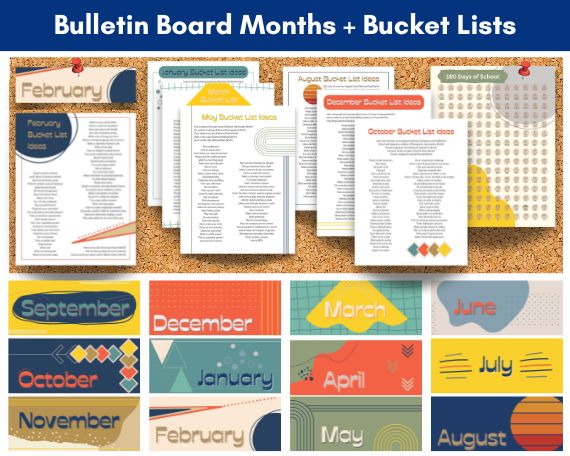
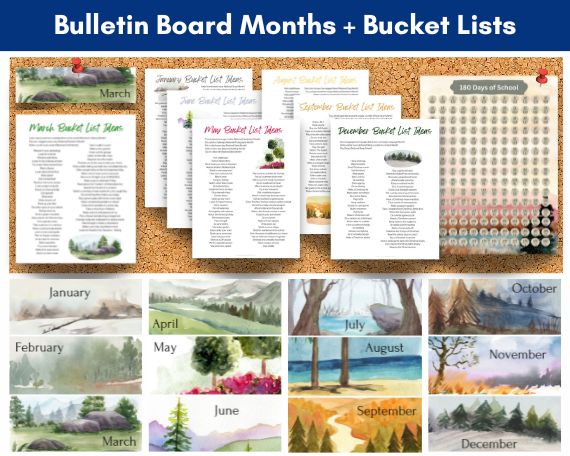
Grab a bulletin board pack to mark the months of your school year and count down your school days!

TIME MANAGEMENT
The next step is to take some time to think about what your ideal school schedule would look like. This might be schooling four days per week. It might be schooling for six weeks and taking one week off. Maybe your family needs to block out two evenings a week for schooling to accommodate work schedules.
Additionally, make sure you block out time for the tasks that keep your homeschool running smoothly.
Look ahead to see what a typical week will look like in September or October. Then you can slot in some time blocks for handling tasks that are essential for homeschooling, but aren’t part of any “teaching” time.
Here are a few of the tasks that might be on your homeschool mom list outside of time spent on actual schooling.
- research: finding video content, articles, books, or hands-on activities to enhance the learning opportunities related to specific curriculum
- requesting and managing library materials
- assigning work: may be on a daily or weekly basis
- answering questions related to independent work
- grading or evaluating completed work
By acknowledging the time commitment involved in these administrative tasks and allotting time in advance to complete them, you will see more clearly the time you have available for other things in your life.
Finally, try to keep your calendar as empty as possible for the first few weeks of school. By that I mean, do not schedule doctor, dentist, and hair appointments for this time period if possible!
SYSTEMS AND STRUCTURE
Now it’s time to figure out how it will actually work day to day. Think about how assignments will be delivered, how kids will turn in work, and what kind of structure (or flexibility) your family needs. This is where the plan starts to take shape in real time.
ASSIGNING HOMESCHOOL WORK
Finally, don’t forget to think about how and when you will assign work to your students. As they get older, they should gain more independence in completing work. You won’t be at their side reading every word and doing every assignment.
Choose a consistent way of assigning work using physical or digital tools.
You may use a homeschool planner to map out a month’s worth of lessons at a time. Perhaps your kids work independently on several subjects and you write out assignments in a notebook or on a whiteboard. Or you’re all in on the available technology and use a system like Google classroom, Homeschool Planet, or Trello to post assignments and required work.
Choose a time frame for assigning work.
Generally, you’ll assign work on either a daily or weekly basis. Especially at a middle school or high school level, your kids might prefer to see their entire week so they can work ahead or adjust for busy activity days.
RECORDKEEPING
The amount of recordkeeping you do will depend on your state homeschool requirements, the grade level of your child, and your desire to keep records as personal memorabilia.
Here are a few areas of recordkeeping to think about.
- attendance tracking (days or hours of instruction)
Generally needed only if required by your state. - portfolio or other record of work
May be required by your state. This may also be desired as a record of hard work to display at a graduation party or for sentimental reasons. A record of best work, awards and achievements, and projects may also be a helpful reference for scholarship applications, resume creation, and college admission processes. - record and compute grades
Generally only needed for the high school years. There are many free transcript templates available for homeschoolers, but you should also have a plan for how you will record and compute grades for the work your high school student does.
DIGITAL ORGANIZATION
Prior to beginning a new school year, take the time to get your digital homeschool life in order.
COMPUTER FILES AND DOWNLOADS
If your previous years are a digital hot mess, don’t worry about going back to organize everything from years past. Start with the year going forward and set up folders in a logical way.
- Take whatever random homeschool downloads you have and dump them all in a folder named “Homeschool Files.” You can always go back and work through organizing these at some point in the future.
- Create the following folder structure:

3. Add any files you will potentially use in the upcoming school year to the appropriate file folder under the student names or the “together” folder.
4. After the school year is completed, move the files and folders to the appropriate “Subject Area Resource” folders and rename the current school year folder for the next year. Here’s how it would look after you’ve finished the school year.

BROWSER BOOKMARKS
I would encourage you to follow the same organizational structure for your digital bookmarks.
Simply create a folder structure that mimics your computer file structure and save links the same way.
WEBSITE LOGINS
Set up logins to relevant websites and platforms your students will need and keep a record of the logins and passwords. As early as possible, include your students in this process and help them learn to keep login records in a safe place.
Read: A Busy Mom’s Guide to Information Overload
SPACES AND STORAGE
A well-organized space makes a big difference in how smoothly your days go. Whether you have a full room or a corner of the kitchen table, having designated places for reading, writing, supplies, and tech can reduce stress and help everyone stay focused. A little effort here pays off all year long.
Here are some areas to think about setting up before your school year begins.
- place for students to write and work
- workspace for mom/teacher
- storage for books/curriculum
- storage for supplies
- place to store and charge devices
- display areas for reference or completed work
- mailboxes/inboxes for students and homeschool mom
HOUSEHOLD SYSTEMS
Homeschooling happens in the context of real life—meals, laundry, shopping, and everything in between. Taking time now to prep your home routines, chore systems, and even meal plans can help create a peaceful foundation for learning. A little extra effort here brings big returns in sanity!
Here are some tasks to complete and areas to consider systematizing in preparation for a new school year.
- shop for school supplies
- inventory kids’ closets for needed clothing
- shop for needed clothing items
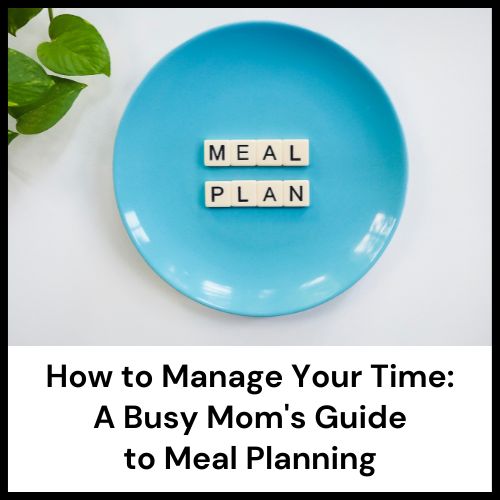
- meal planning/prep for the first two weeks of school
- establish a plan for household chores/cleaning tasks
- develop a simple morning routine
- develop an efficient evening routine
- prep for extracurriculars (order equipment, clean uniforms, set up storage, purchase snacks, set up carpool, set up automatic payments, etc.)



CREATIVE EXTRAS
Especially with older students, it’s easy to focus so much on structure and required elements that we forget to plan for the little things that bring joy and lightness to our homeschool. Brainstorm now how you’ll build fun into your school year—field trips, creative projects, themed days, and unexpected adventures. These are often the moments your kids will remember most.
- field trip ideas
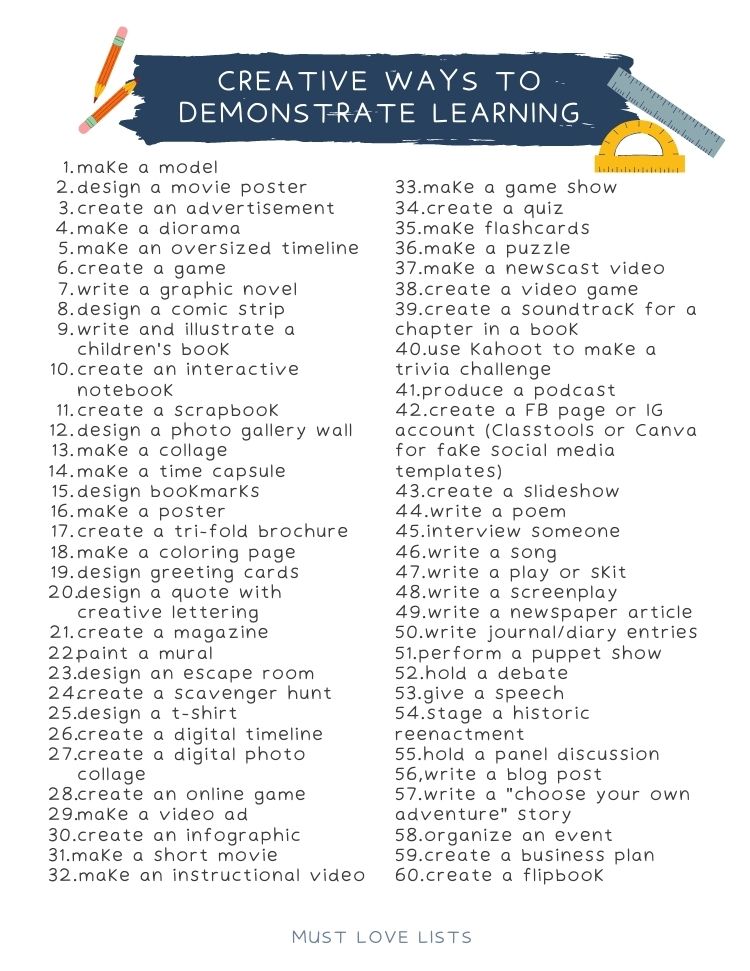
- creative project ideas
- read aloud ideas (yes, even with the teens—it doesn’t have to happen every day!)
- daily/weekly/monthly theme or activity ideas
- YouTube playlists related to subjects or topics you’re studying next year
- first day of school activity ideas
- breakfast ideas
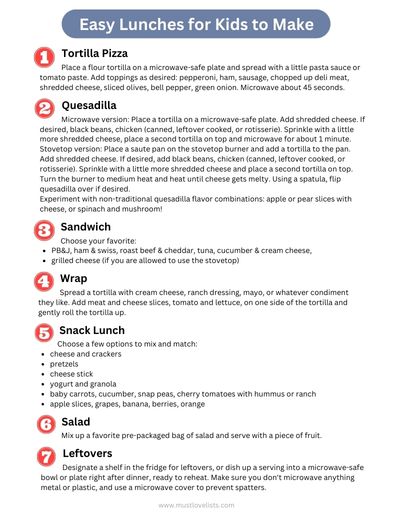
- lunch ideas
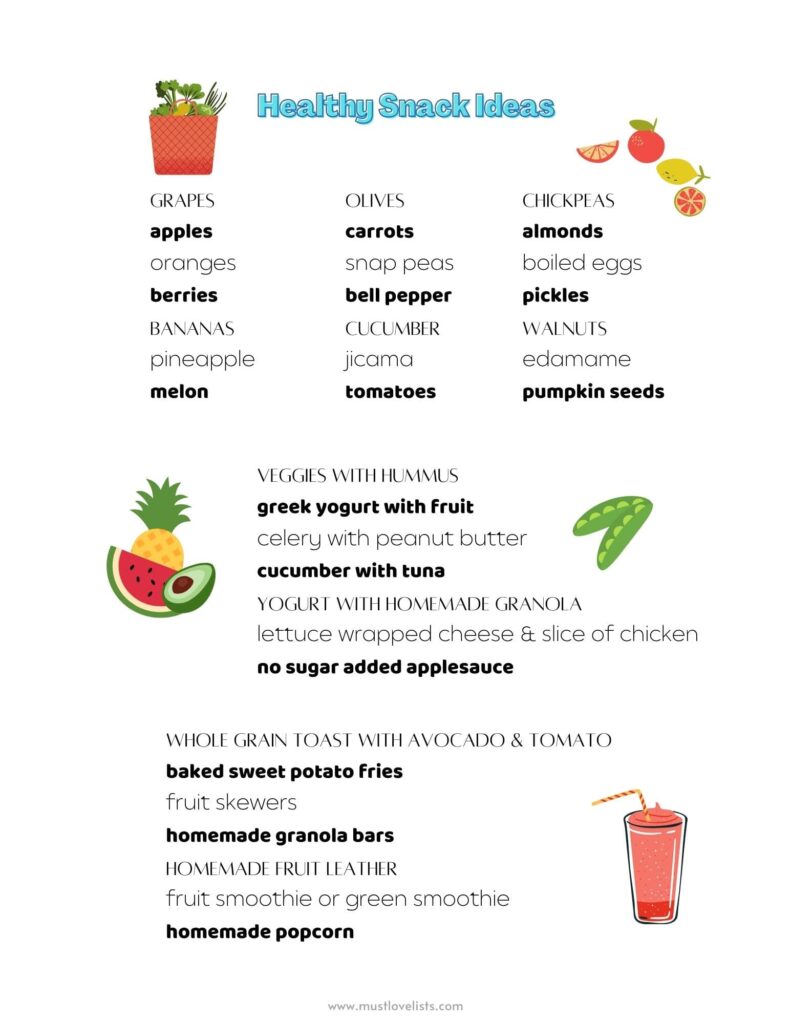
- healthy snack ideas
Monday Theme Ideas for Your Homeschool
Tuesday Theme Ideas for Your Homeschool
Wednesday Theme Ideas for Your Homeschool
Thursday Theme Ideas for Your Homeschool
Friday Theme Ideas for Your Homeschool


Read: 12 Ways to Add Fun to Your Homeschool Year
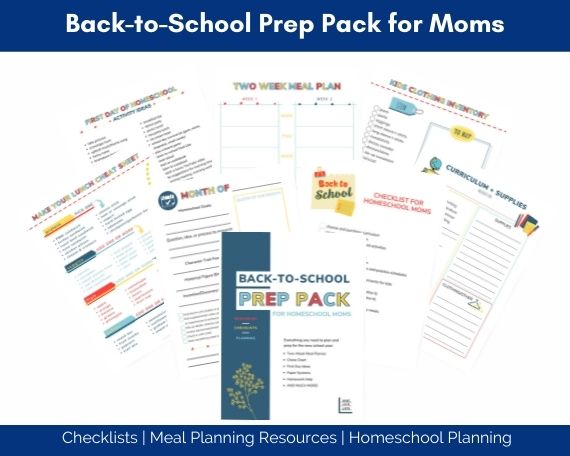
Planning Ahead for Your Homeschool Year
As you look ahead to the coming homeschool year, remember that thoughtful preparation is a gift to both you and your children. Taking time now to plan, organize, and dream will pay off as you deal with all the details of managing home and homeschool. You don’t need to have everything perfectly figured out. Give yourself the freedom to adjust as needed, and trust that your intentional efforts are laying the groundwork for meaningful growth, learning, and connection in the months ahead.

Visit my homeschool resources page for monthly unit study ideas, projects, and homeschool planning help!


You May Also Like…
How to Prepare for a New Homeschool Year

